01
Groups & teams
Workshops
Interactive group sessions
Interactive sessions using discussion, exercises and mountain-specific scenarios.
Workshop enquiry MIND
Enquire
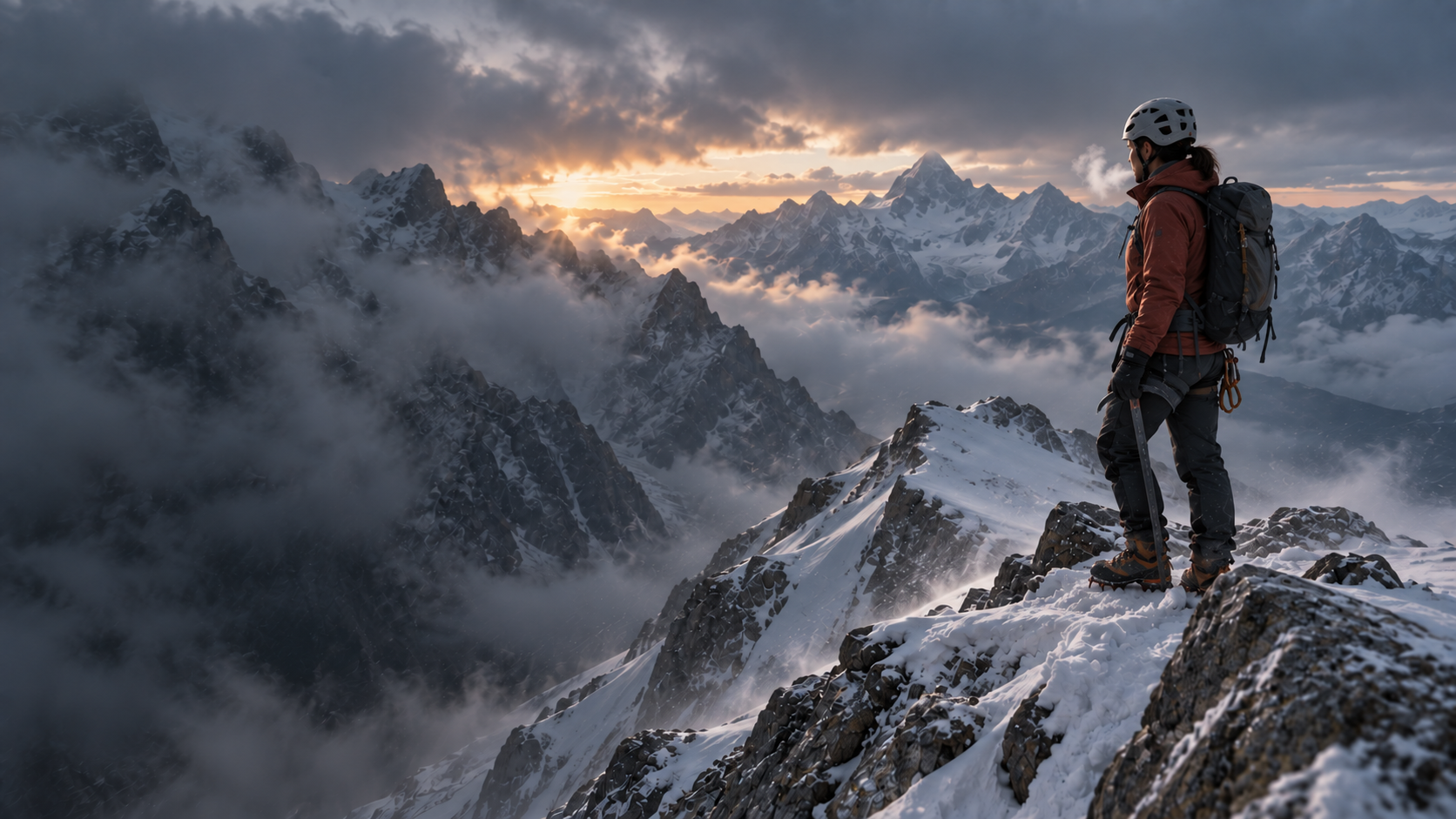
Sport psychology for mountaineers, climbers and teams
Prepare your mind for training, technical courses and expeditions—then think clearly when fatigue, fear and pressure change the picture.
Explore MINDBeyond mental toughness
Mountaineering requires sound judgement and decision-making under fatigue and challenging conditions. Sport psychology helps you manage your responses, maintain focus, communicate well and make decisions that support your plan, safety and team.
Where MIND fits
Psychological skills are trained before the mountain, applied when conditions become demanding and reviewed afterwards so experience becomes learning.
Clarify the objective, anticipate pressure points and practise attention, confidence and coping strategies.
Use practical tools for focus, communication and purposeful decisions when fatigue and uncertainty rise.
Review decisions without ego, consolidate learning and carry it into the next course, climb or expedition.
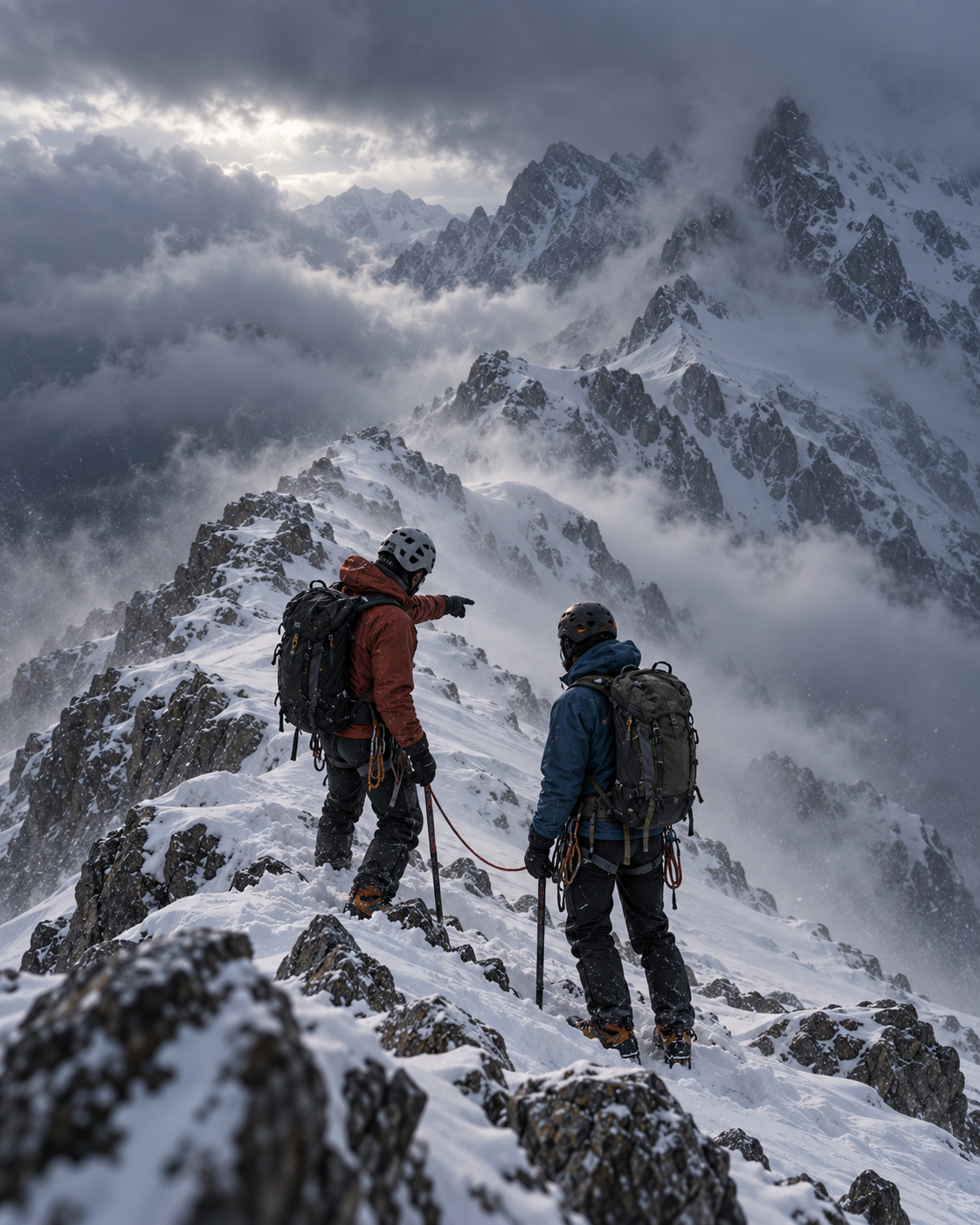
The real work
A good turnaround is not failure. It is a decision skill.
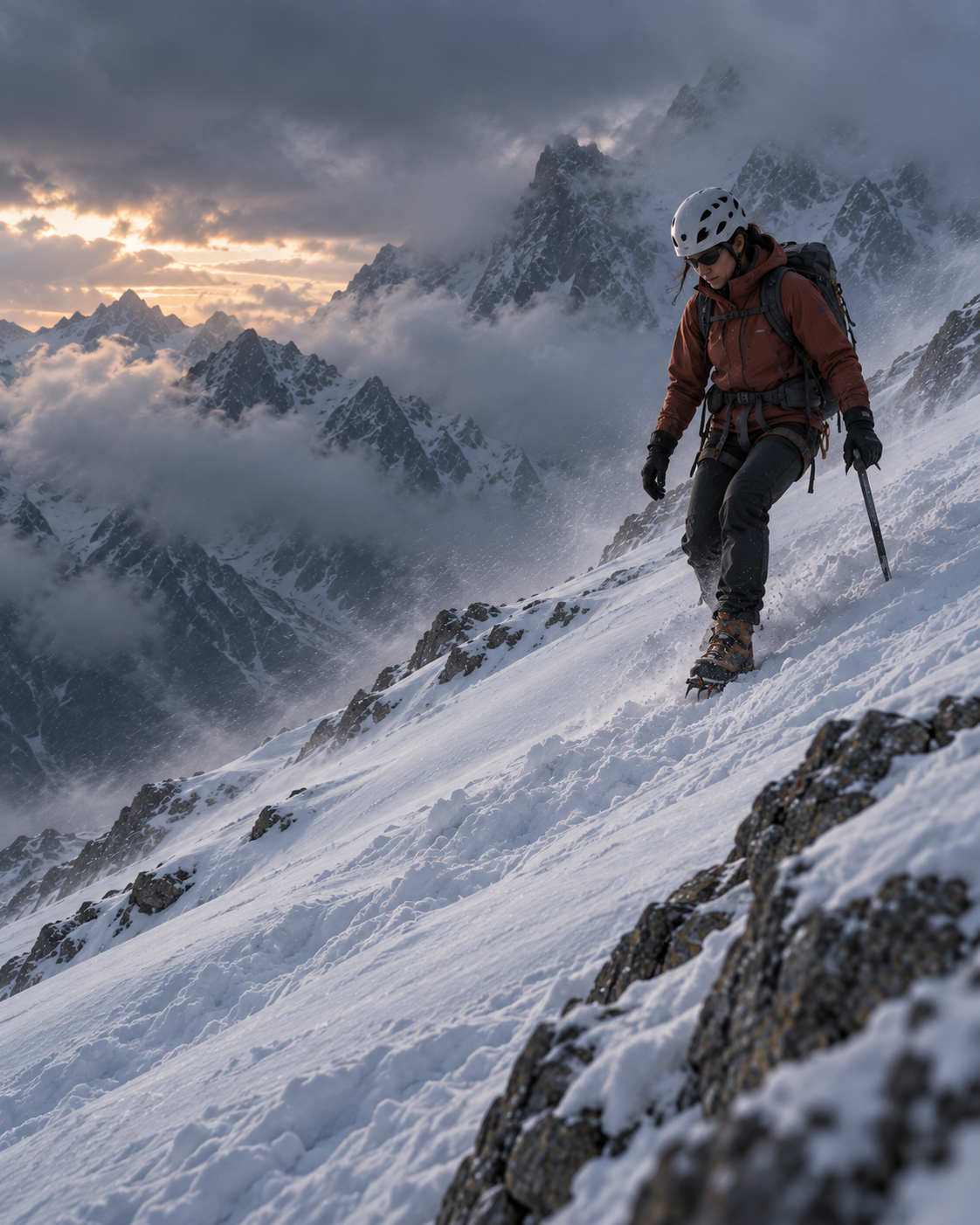
Ways to work
01
Groups & teams
Interactive group sessions
Interactive sessions using discussion, exercises and mountain-specific scenarios.
Workshop enquiry02
One-to-one
Focused support for your own preparation, patterns and response under pressure.
Individual enquiry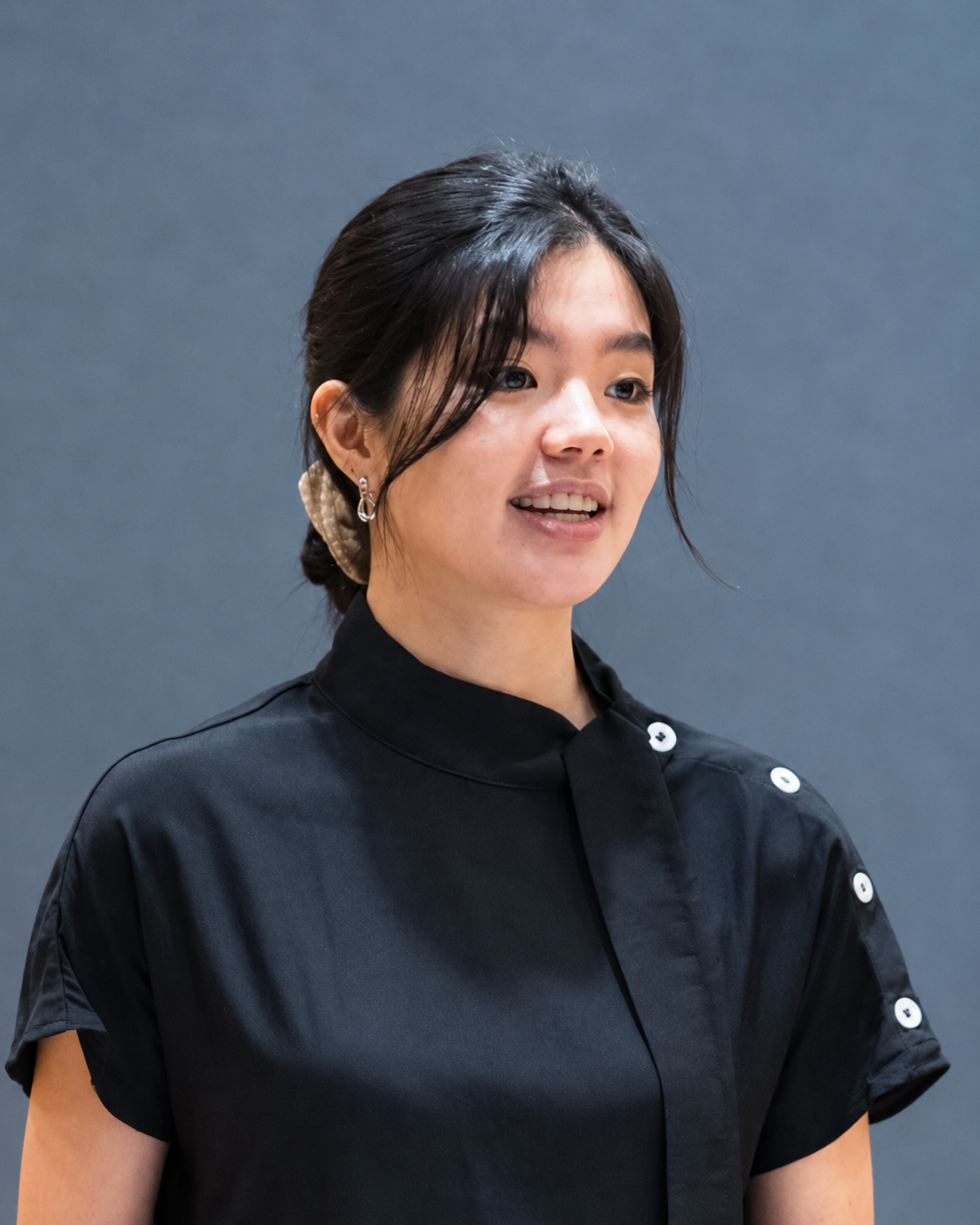
Meet the specialist
Sport and performance psychology practitioner
Xuan Wong is a sport and performance psychology practitioner who works across domains with athletes and performing artists. A former professional classical musician and rhythmic gymnast, she brings first-hand experience of the demands of high-performance environments and an understanding of their psychological challenges.
Her experience includes supporting Singapore's national athletes across the performance pathway, from developmental to elite levels, including those representing Singapore at major international games. She also works with coaches and other stakeholders to develop the conditions that enable athletes to thrive, covering areas such as pressure training, psychological safety, effective feedback and team culture.
In the performing arts, she conducts workshops to help artists develop the psychological skills and resources to navigate performance anxiety and perform at their best under pressure.
How it fits
MIND brings sport psychology into the same system as physical preparation, mountain skills, mountain knowledge and progressive Nepal objectives.
Questions
No. It can help anyone preparing, deciding and performing under pressure—including recreational mountaineers.
Because fatigue, fear and uncertainty can affect attention, communication and judgement. Sport psychology helps us develop the skills to navigate such challenges, manage our responses, and make purposeful decisions that support our goals, safety, and team.
Not quite. Sport psychology involves developing awareness of our thoughts, emotions, and behaviours so we can respond effectively to challenges, adapt to changing conditions, and make purposeful decisions that support both our performance goals and safety.
Sometimes, this means learning to manage with discomfort; other times, it means recognising our limits, adjusting our plans, or knowing when to turn back.
MIND provides sport and performance psychology support for the demands of training, competition and high-stakes environments. It focuses on practical psychological skills such as managing pressure, attention, confidence, critical confidence, motivation and decision-making. When an individual’s concerns involve significant psychological distress, persistent difficulties with daily functioning, or needs beyond the practitioner’s scope of competence, appropriate referral to a qualified mental health professional will be recommended.
The priority is to ensure that individuals receive appropriate support for their needs.
Individuals experiencing specific performance challenges or seeking personalised support to develop psychological skills and work towards their goals.
No. The work can be adapted from first objectives through to experienced mountaineers.
Start here
Tell us what you are working towards and where you would like support.